
Shingle Roofing in the USA
Our technicians arrive on site and begin by walking the entire roof surface to locate missing or cracked asphalt shingles. They measure granule loss in gutters and note any exposed felt paper that lets water reach the deck. Storm winds often lift edges while hail leaves crater marks that shorten service life.
Homeowners can first scan the attic for daylight spots and place buckets under active drips. Clearing debris from gutters prevents backup that forces water under shingle tabs. These steps give our crews clear access once they start the detailed evaluation. Need shingle roofing? New Design Roofing answers from anywhere in the USA.
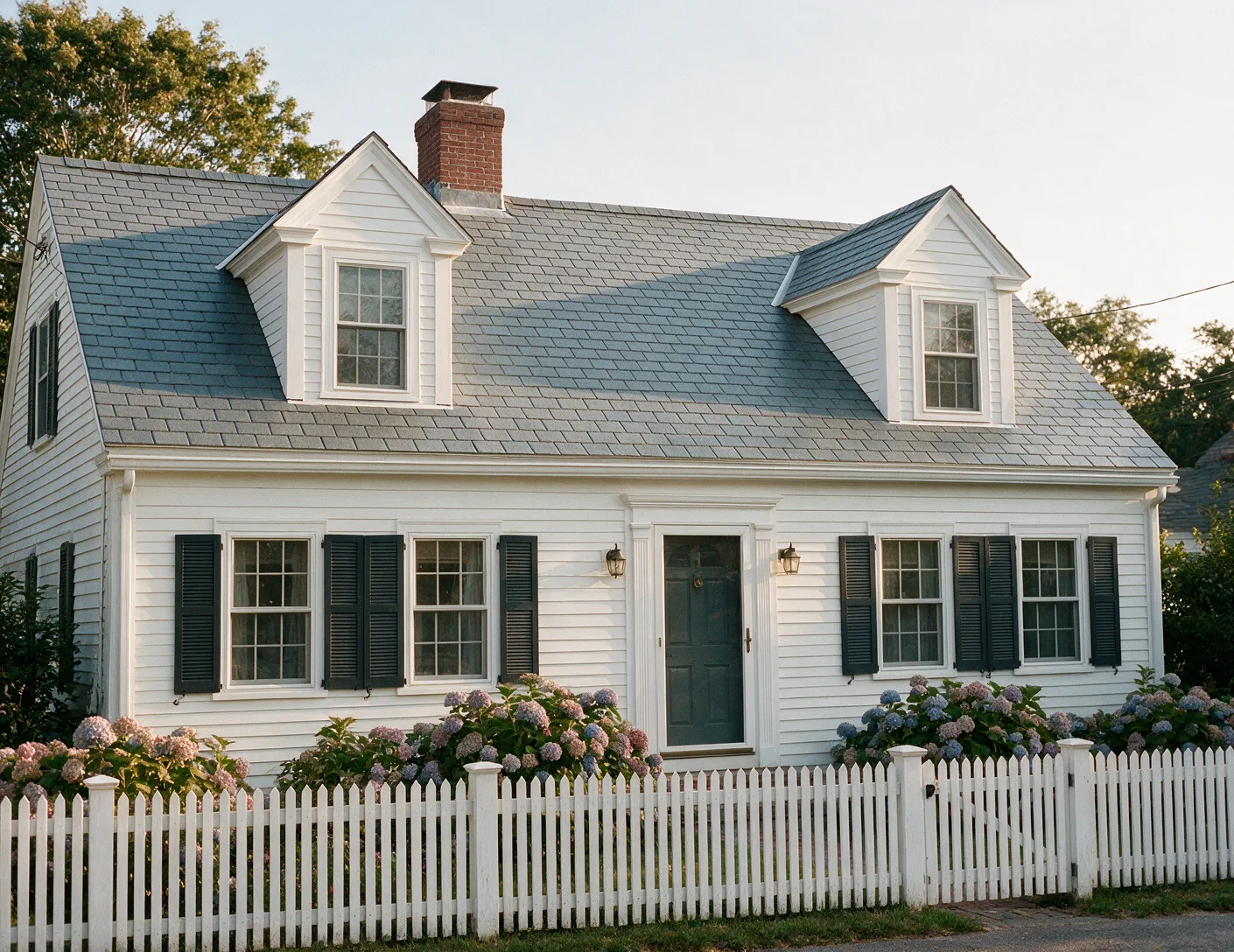
Visible Shingle Problems After Storms
- Curling edges lift during high wind gusts and expose nails
- Dark streaks show where granules have washed away from hail
- Buckled rows appear after repeated freeze and thaw cycles
- Nail pops push through the surface near ridge vents
- Moss growth signals trapped moisture under layers of felt
Storm Damage on Asphalt Shingles
High winds pry up shingle tabs and tear them free at the sealant strip. Hail dents soften the fiberglass mat so the shingle fractures weeks later when foot traffic or another storm hits. Our crews document each dent depth and count the number of tabs per square that show fractures.
Heavy rain then drives under lifted edges and soaks the underlayment. Once that layer fails, water reaches the deck and creates soft spots that must be cut out during repair. Checking these layers early prevents larger deck replacements later in the season.
What Our Technicians Measure on Site
Technicians check shingle overlap at every course and verify that flashing sits at least six inches under the upper course. They probe for soft decking around plumbing boots and measure ridge vent openings to confirm airflow meets code for the attic square footage.
They also count rows of exposed nails and record how many shingles show thermal cracking along the bottom edge. These measurements guide whether a few bundles will suffice or whether a full tear-off is required to restore the roof plane.
Repair and Replacement Choices
Spot repairs replace damaged tabs with matching shingles and new sealant along all four edges. When more than thirty percent of a slope shows wear, crews remove the old layer down to the deck and install new synthetic underlayment before laying fresh shingles.
Full replacement includes new drip edge, step flashing at walls, and upgraded ridge vent sections. After the job, the crew sweeps all debris and uses a magnet to collect stray nails from the yard and driveway.
Shingle Types and Homeowner First Steps
Architectural shingles offer thicker profiles and better wind resistance than three-tab styles. Both use the same nail pattern but architectural products require longer nails at the eaves to handle uplift. Our crews match color and texture to existing areas when only one slope needs work.
Before crews arrive, homeowners should move vehicles away from the house and secure outdoor furniture. They can also note the date of the last storm and photograph any interior stains so the technician can match damage locations from below and above.
Shingle Roofing questions
How soon after a storm should shingles be checked?
Inspect the roof within two weeks of high winds or hail. Early checks catch lifted tabs before rain drives water under the felt and reaches the deck.
Can damaged shingles be replaced without a full roof job?
Yes when less than thirty percent of the slope is affected. Crews remove the bad tabs, inspect the underlayment, and seal new shingles into the existing courses.
What underlayment is used under new shingles?
Synthetic underlayment goes down first because it resists tearing and stays flat in heat. It replaces older felt and adds an extra water barrier before the shingles are nailed.
How does ventilation affect shingle life?
Proper ridge and soffit vents pull heat out of the attic so shingles do not bake and curl. Our technicians measure vent openings and add new sections if airflow falls short.
Schedule Shingle Roofing Work
Contact New Design Roofing to inspect your shingles and plan targeted repairs before the next storm season arrives.