
Roof Repair
Small hail craters and torn tabs get replaced with matching shingles. Technicians lift surrounding courses, slide in new pieces, and re-nail so the repair blends without creating weak lines.
Roofing · the USA
New Design Roofing sends crews nationwide to inspect and fix roofs after storms. Our technicians match materials, seal penetrations, and restore ventilation so homes stay dry.
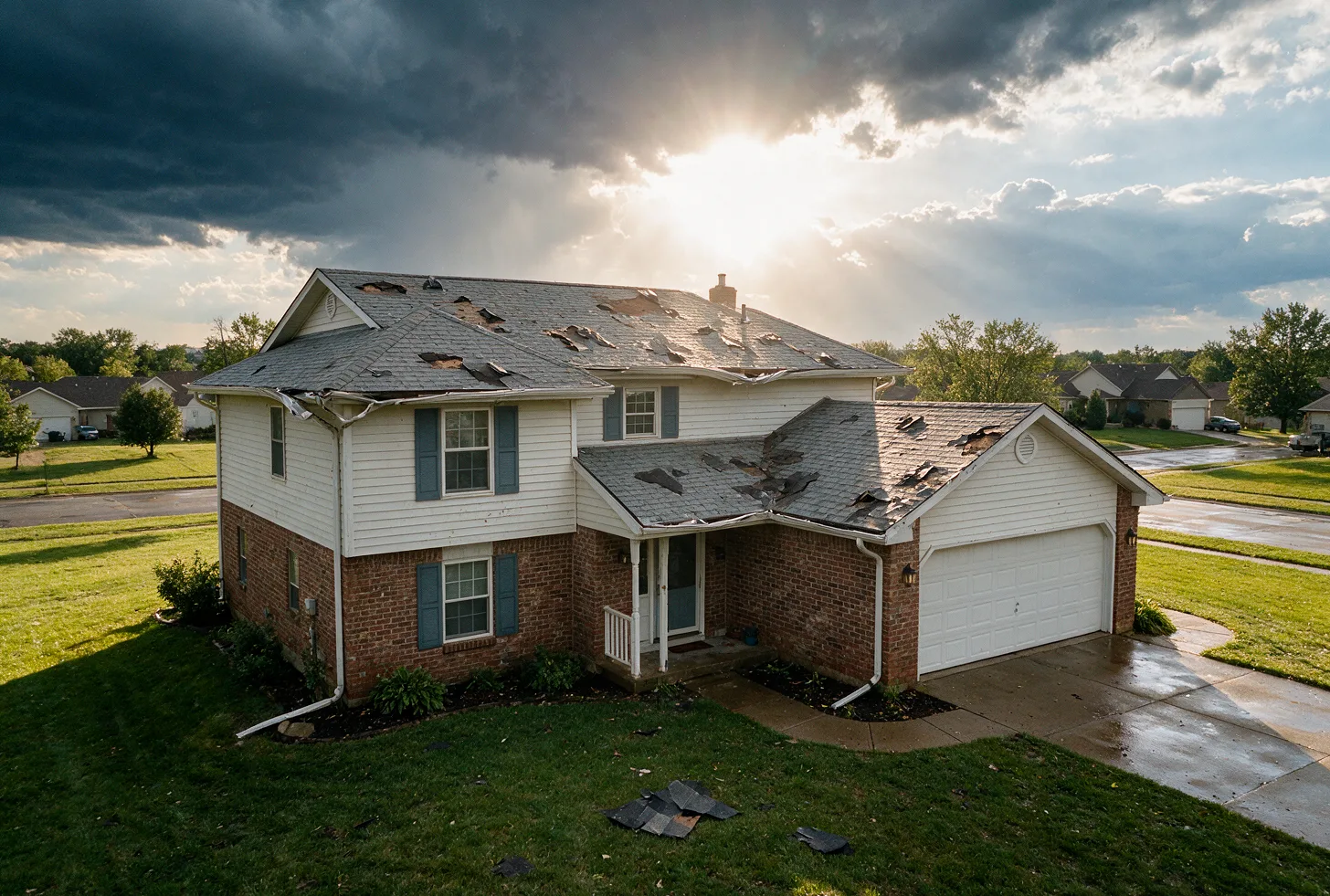
Technicians start at the ridge and work down, noting every dent, tear, and displaced shingle before any work begins.
Old layers come off completely when needed so new underlayment lies flat and water flows to the gutters without trapping.
Ridge vents are checked for blockage and all pipe boots plus step flashing receive fresh sealant to block wind-driven rain.
Our crews handle every phase from quick fixes to full roof changes. Each service targets storm damage or long-term performance across the country.
Small hail craters and torn tabs get replaced with matching shingles. Technicians lift surrounding courses, slide in new pieces, and re-nail so the repair blends without creating weak lines.
When multiple slopes show widespread granule loss or curled edges, the entire roof comes off. New underlayment, drip edge, and shingles go on in the correct nailing pattern.
Crews walk every plane, probe soft spots, and use moisture meters around penetrations to find storm entry points before they grow into larger leaks.
Active leaks are traced from ceiling stains back to the source. Flashing is reset or replaced and new sealant is applied at all joints to stop water tracks.
Three-tab or architectural shingles are installed with proper offset and exposure. Color and texture are matched to the remaining roof when only sections need attention.
Dented panels are swapped and seams are re-crimped. Technicians check screw heads and butyl tape lines so thermal movement does not reopen after high winds.
New gutters are sized to roof square footage and pitched for full flow. Downspouts are anchored to prevent pull-away during heavy rain after storms.
Soffit and ridge vents are cleared or added to balance intake and exhaust. Proper airflow reduces heat buildup and keeps shingles from blistering in summer.
Granule loss in small circles signals hail hits. Look for cracked tabs along the lower edge of shingles and raised nails where wind has worked under the course. Dark streaks running from ridges often mark where wind lifted the sealant strip and allowed water to enter.
Move indoor items away from any ceiling stains and place buckets under drips. Photograph the roof from the ground with a phone before climbing. Note the time and weather conditions so later reports can match damage to the exact event.
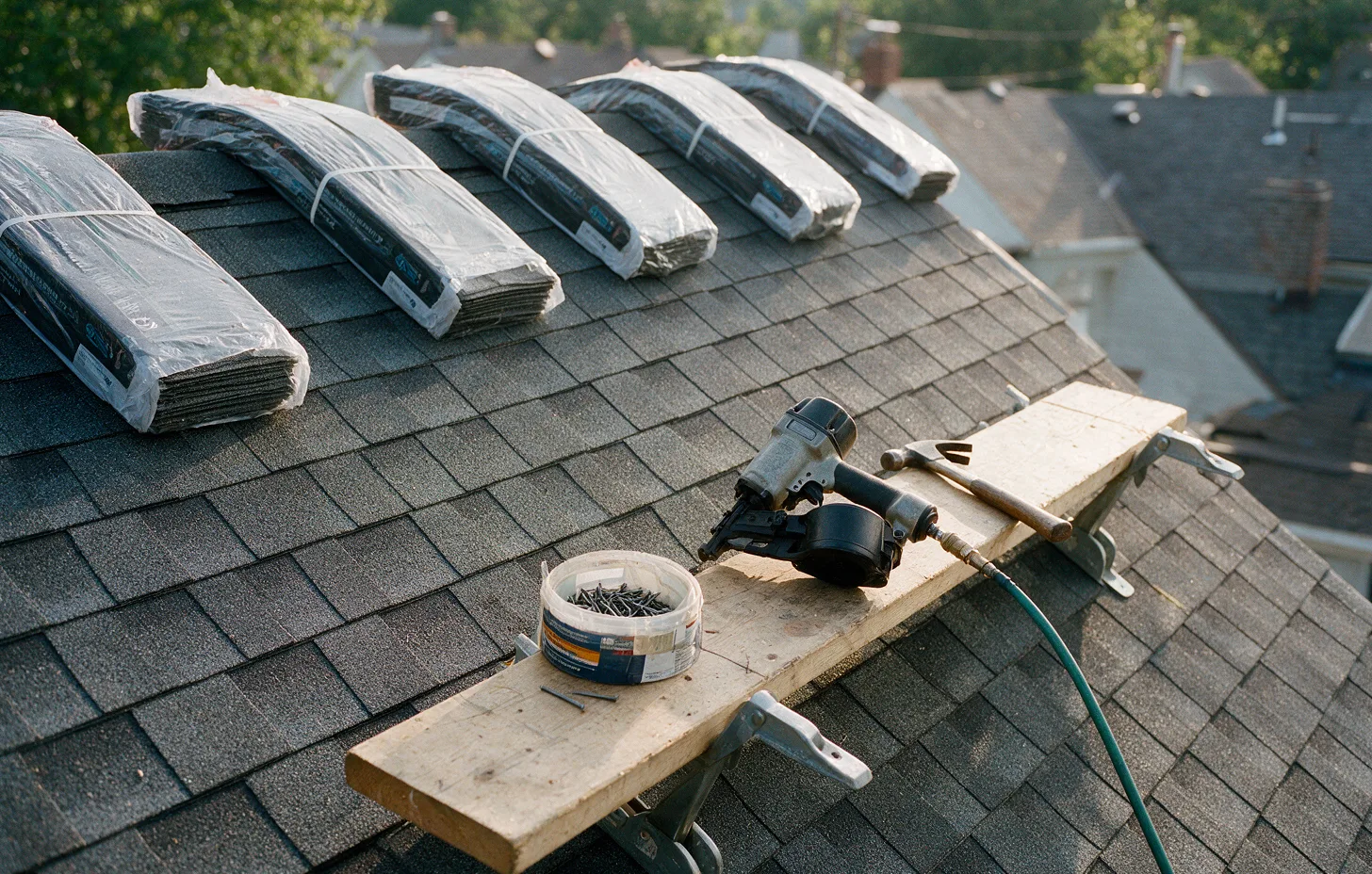
Four clear steps keep every Storm Damage Roof Repair job organized from first call to final walkthrough.
Technicians arrive with safety gear, walk the full perimeter, and document every visible impact or lifted edge with photos and notes.
Inside the attic, crews look for wet insulation, daylight through decking, and stained rafters that show where water has traveled.
The crew reviews findings with the owner, selects matching products, and stages materials so work can begin without delays.
After cleanup, technicians point out repaired areas and show how new flashing and sealant lines will handle future rain and wind.
Technicians unload ladders and safety gear, then begin at the highest point. They mark every damaged shingle with chalk and check attic insulation for wet spots. Measurements are taken for material counts before any removal starts.
When damage covers less than one slope and underlayment remains dry, targeted repairs work. If three or more slopes show widespread granule loss or multiple layers already exist, full replacement prevents patchwork failure later. The crew explains both options with photos before proceeding.
Square footage, number of layers, and pitch all change how long the job takes. Steep roofs require extra safety equipment and more time per square. Hail damage scattered across many small areas often needs more individual shingle swaps than a single large damaged section.
Material choice matters too. Architectural shingles cost more than three-tab but hold up better to repeated wind events. Metal panels add weight considerations on older trusses. Crews calculate these factors on site and explain each line so owners understand the total before work starts.
Older roof decks may have uneven sheathing that needs sister boards before new shingles lie flat. Rental properties receive extra attention to flashings around tenant-installed antennas so future leaks do not interrupt occupancy. All debris is removed from yard and driveway at the end of each day.
Contact crews within a few days. Early inspection catches small punctures before they let water reach the deck and insulation. Waiting allows wind-driven rain to widen gaps around flashing.
Stay on the ground. Walking on wet or hail-dented shingles can crack more tabs and create new leak paths. Ground photos plus attic checks give technicians the information they need.
Technicians pull from the same dye lot when possible. When exact matches are unavailable, they work from less visible slopes first and blend the visible areas with careful course alignment.
Gutter crews straighten or replace sections during the same visit. Proper pitch is restored so water leaves the roof edge instead of backing up under the first course of shingles.
Yes. Uneven decks receive synthetic underlayment over felt to create a smoother surface. This step reduces nail pops and helps new shingles seat evenly across decades-old sheathing.
Ridge and soffit openings are measured and cleared. Blocked vents are opened or new ones added so hot air escapes and prevents moisture buildup under the new roof surface.
Tell us what you see on your roof. Our technicians will arrive, inspect, and outline the next steps across the USA.