Storm season brings high winds that lift shingles at the edges and drive rain under flashing. Our technicians start every job by walking the deck to locate loose nails, cracked sealant, and soft plywood before any material is ordered.
Metal panels expand and contract with temperature swings, so we check seam integrity and clip spacing on every roof we service. Proper ventilation reduces attic heat buildup that can warp decking during prolonged hot spells after a storm. Every service below is available from New Design Roofing across the USA.
Wind-driven debris often tears shingles along the rake and leaves dents in metal valleys. Our technicians replace damaged sections with matching material and re-secure drip edge so water flows past the fascia instead of wicking back into the sheathing.
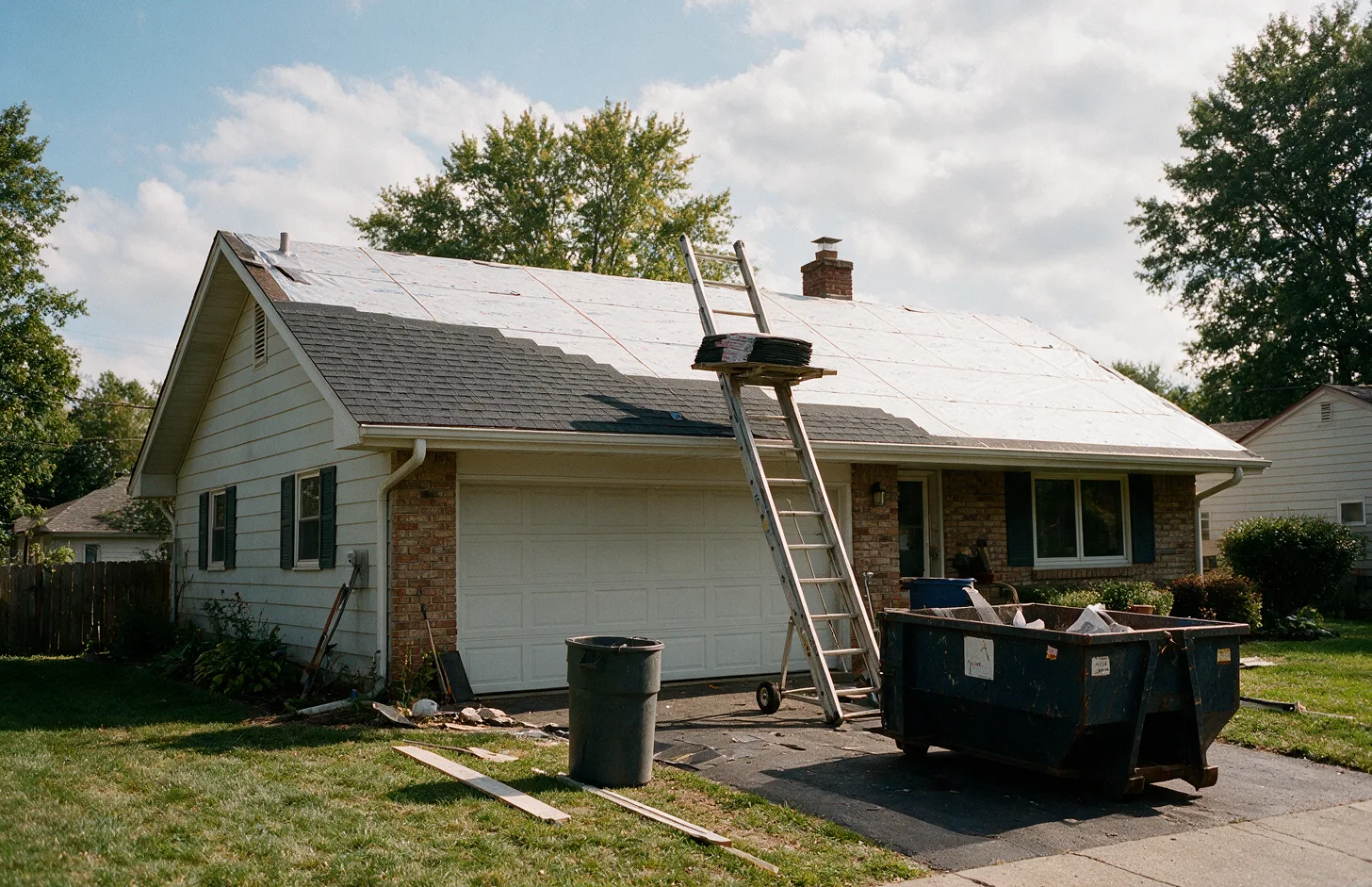
When multiple layers of old shingles trap heat and hide rot, full removal lets us inspect every rafter and add new underlayment. Ice and water shield goes along eaves and valleys before the final layer restores slope and drainage.
After high winds, crews look for granule loss on shingles, popped nails, and separated ridge cap. They also measure attic insulation depth and check soffit vents for blockages that keep moisture trapped after rain enters through small openings.
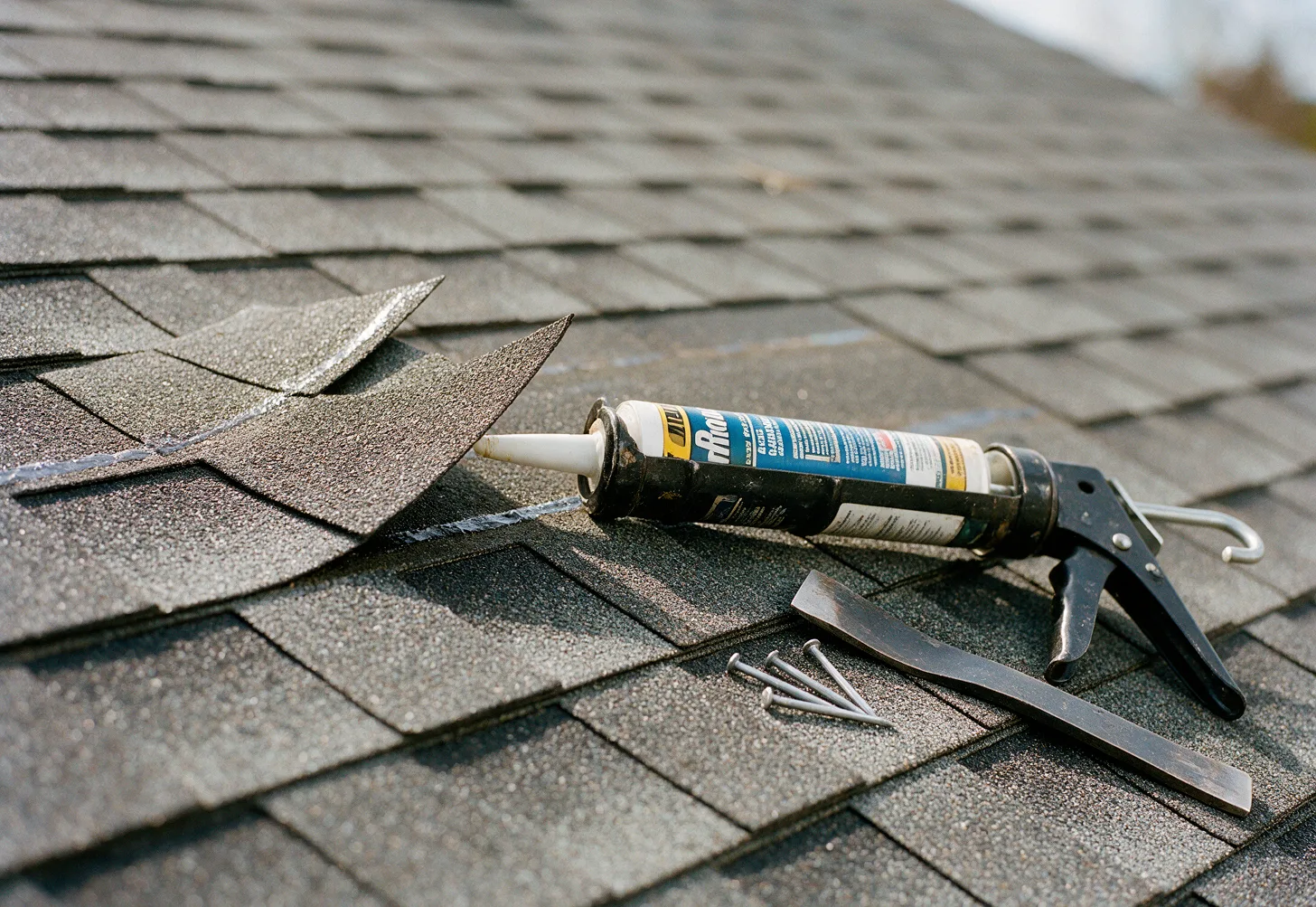
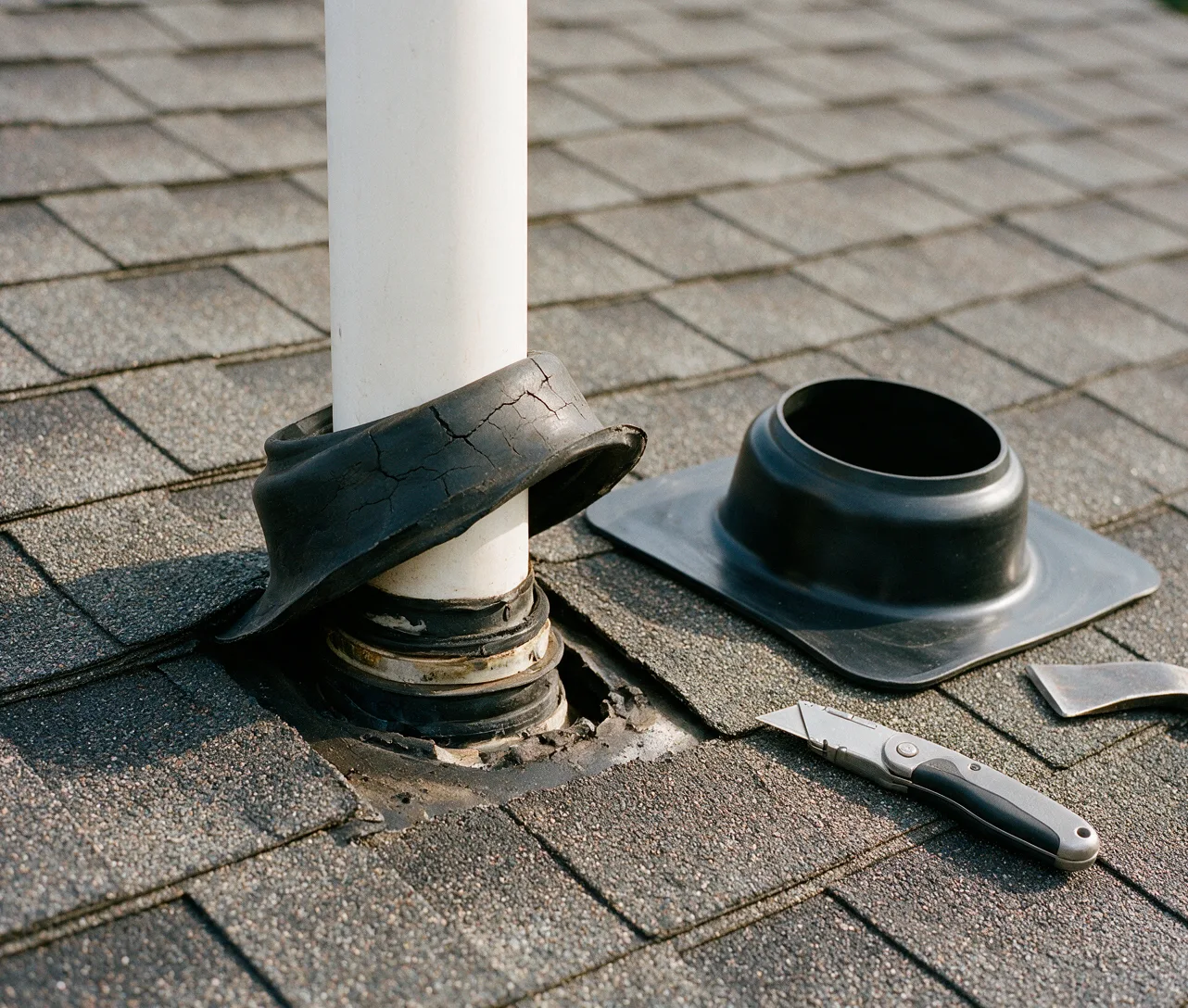
Leaks usually appear first around plumbing boots or step flashing where sealant has dried. Technicians remove the surrounding shingles, install new flashing with fresh sealant, and test the repair by running water along the seam before closing up.
Architectural shingles handle moderate wind better than three-tab because of their weight and seal strip. During replacement we offset courses so joints never line up, then hand-seal the first three rows to keep wind from lifting the leading edge.
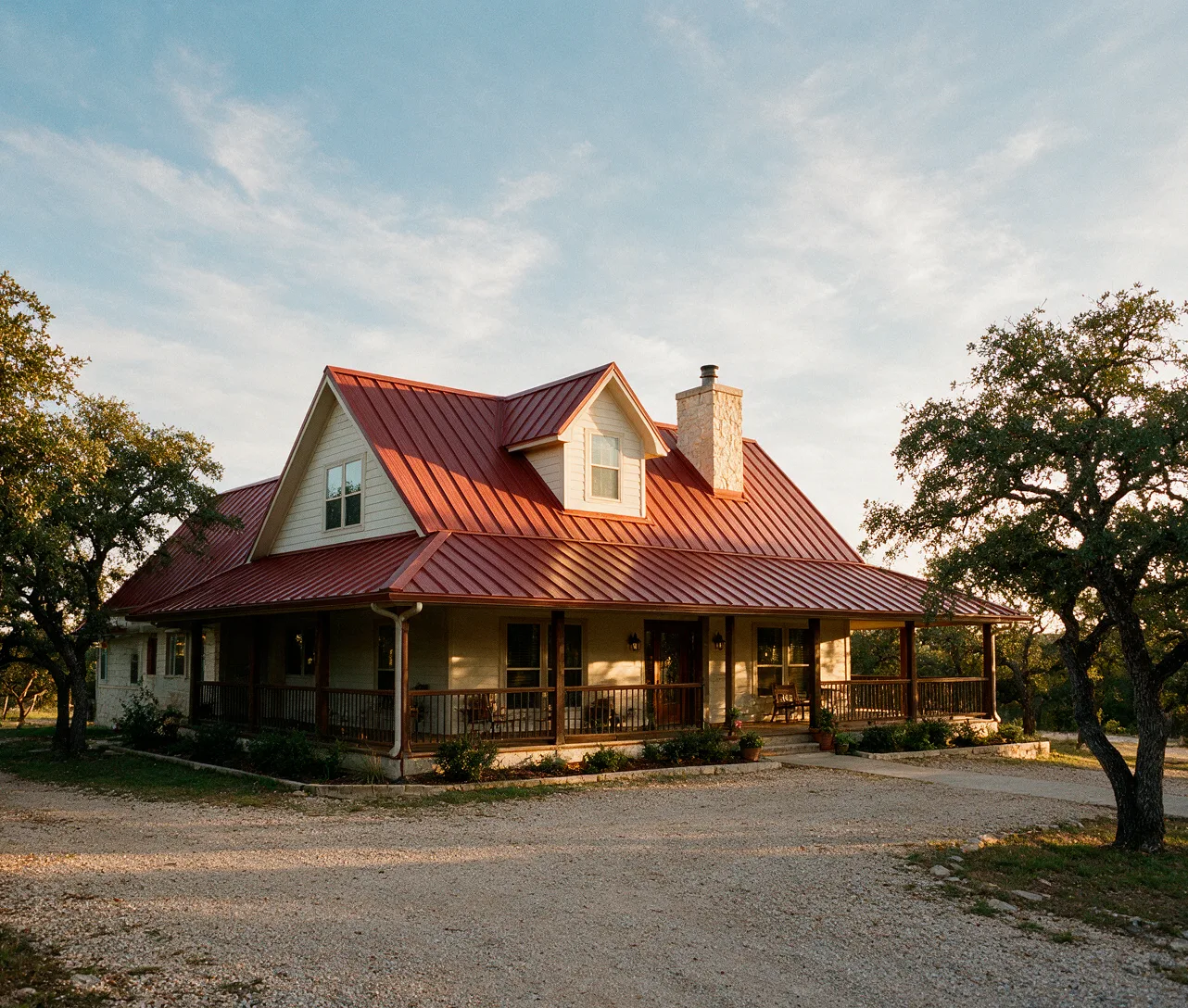
Standing-seam panels resist hail better when fastened with sliding clips that allow movement. Technicians verify clip spacing against wind-load tables and add closure strips at the ridge so debris cannot enter the ribs during heavy gusts.
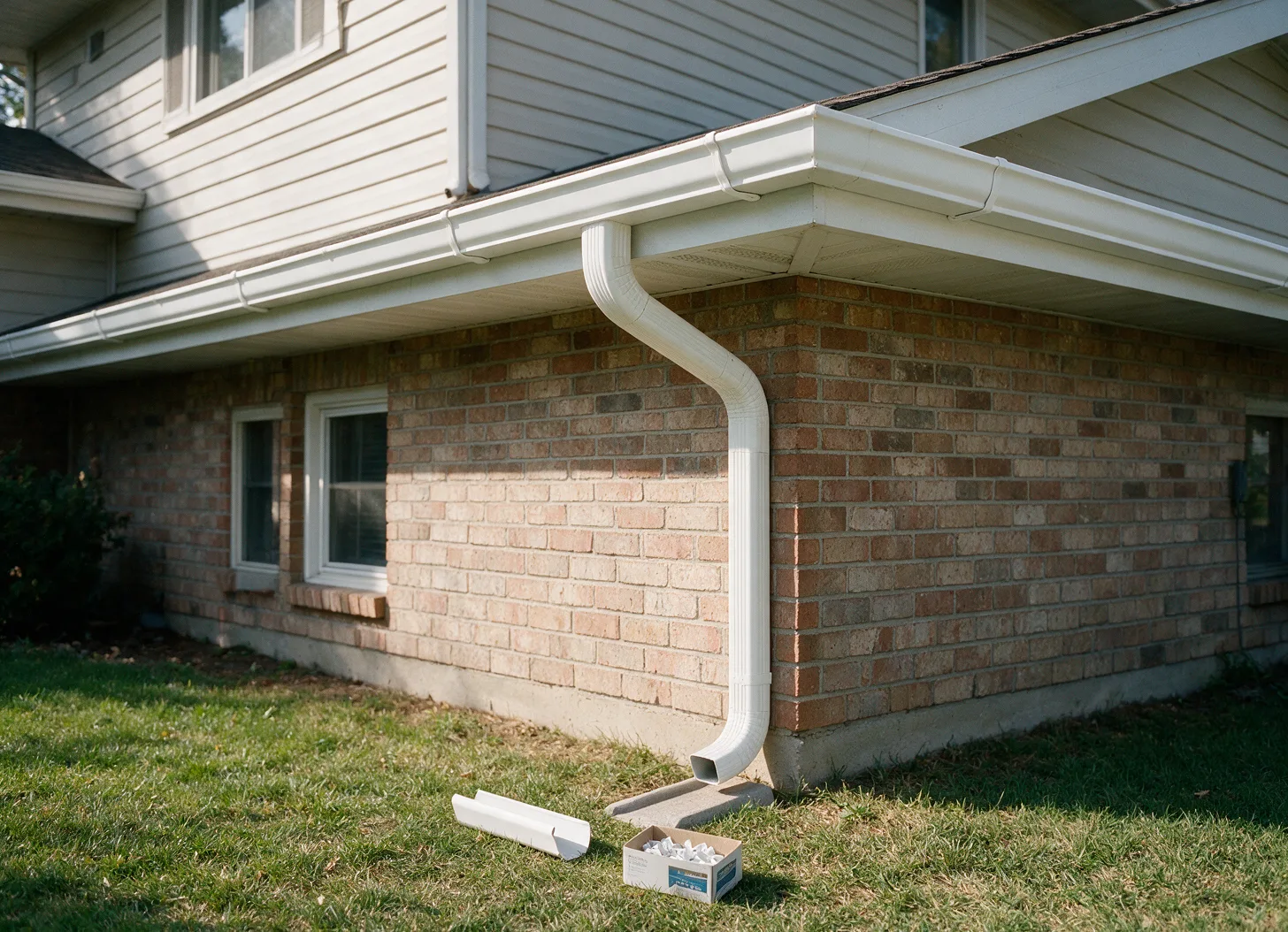
Oversized gutters with 2x3 downspouts move more water away from the foundation when heavy rain follows hail. We slope each run one-quarter inch per foot and secure brackets into rafter tails so the system stays in place under wind load.
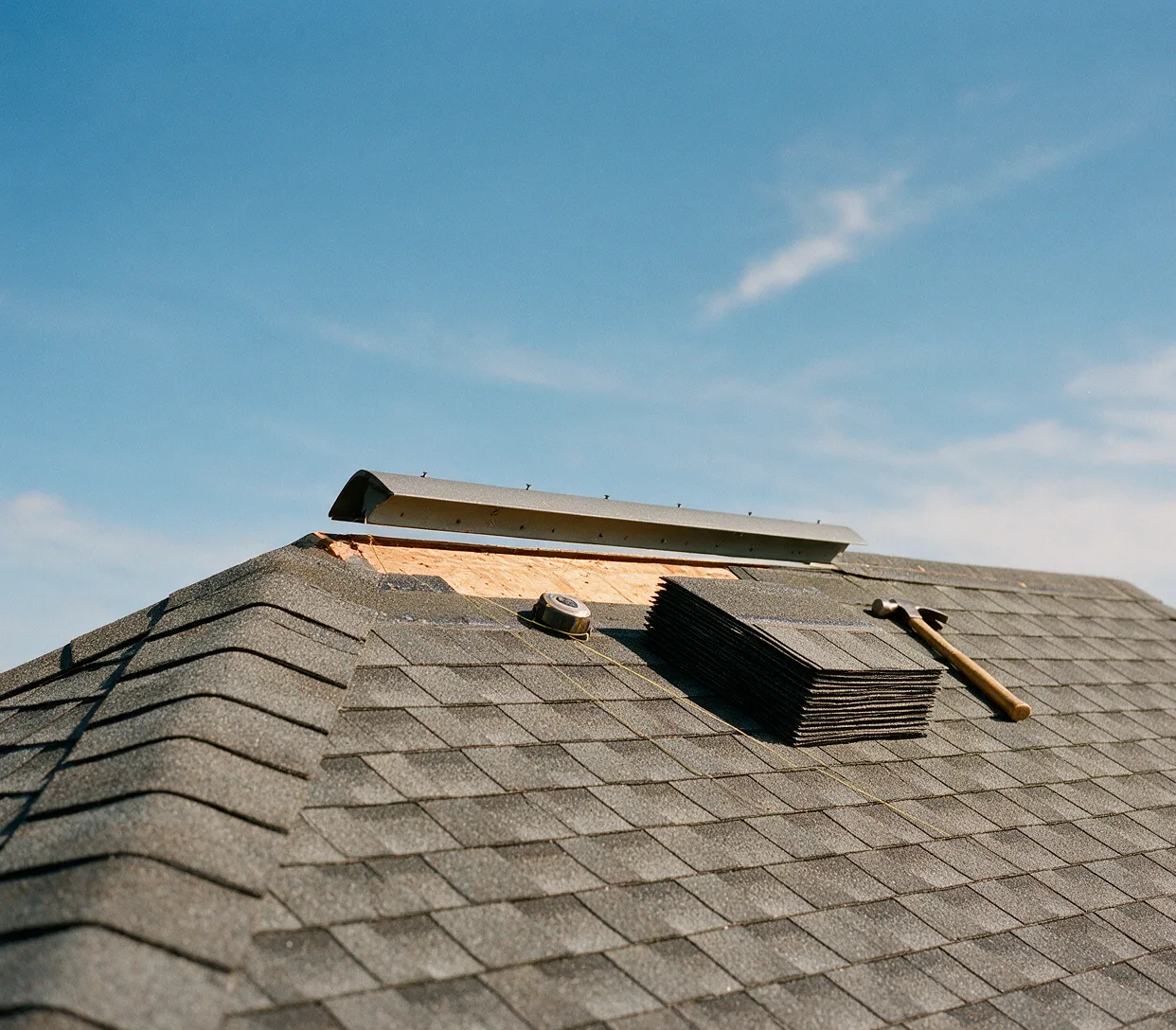
Ridge vents paired with continuous soffit intake keep attic temperatures closer to outside air. Technicians calculate net free area needed for the roof size and install baffles so insulation does not block airflow at the eaves after a storm.
Matching the right service to your roof
Visible missing shingles or dents in metal usually point to repair work. Widespread granule loss across multiple slopes or sagging decking between rafters signals that replacement will solve ongoing leaks and restore wind resistance.
Standing water in the attic or musty smells after rain suggest a ventilation or leak issue first. An inspection reveals whether new vents, targeted flashing work, or gutter adjustments will stop moisture before larger sections of decking are affected.